Understanding Smart Sprinkler Systems
In a world increasingly focused on sustainability and efficiency, smart sprinkler systems have emerged as essential tools for optimizing water use in gardens and landscapes. These innovative devices not only automate irrigation processes but also integrate advanced technology to facilitate smarter, more responsible watering practices. As we explore the functionality and benefits of smart sprinklers, we will also address how they cater to the needs of modern gardeners, allowing them to save time and water while ensuring plant health.
What Is a Smart Sprinkler and How Does It Work?
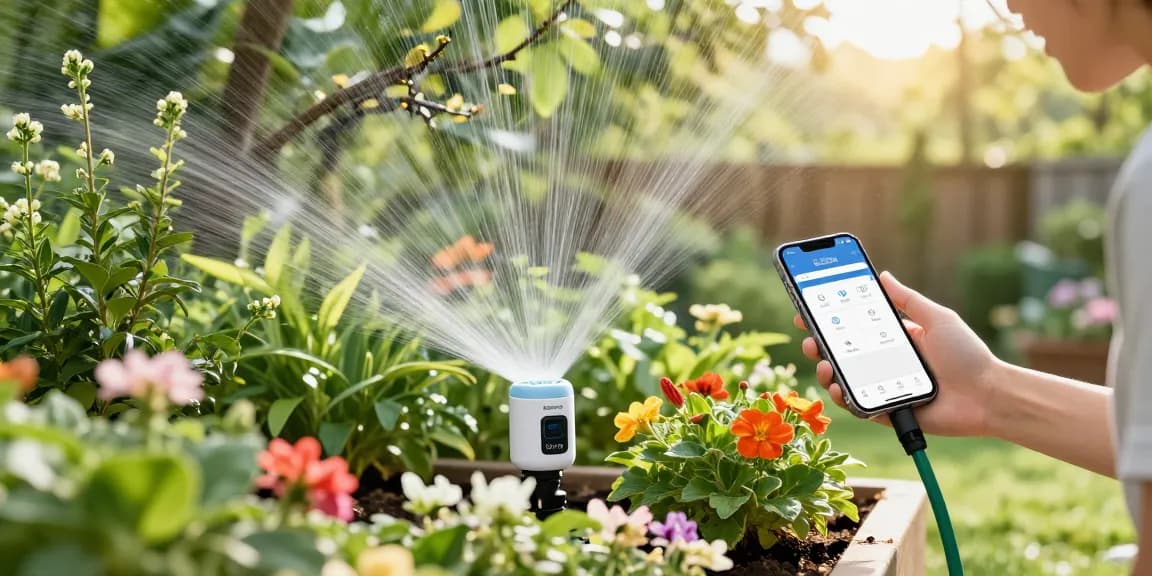
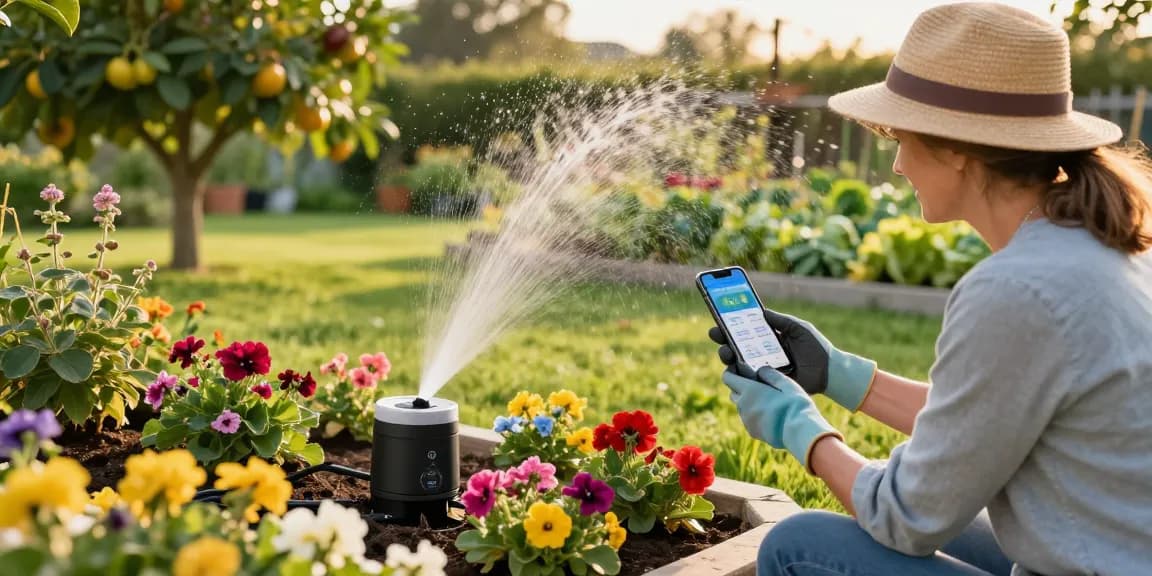
A smart sprinkler is a sophisticated irrigation system that uses technology to regulate the scheduling, duration, and frequency of watering. By integrating sensors and connectivity features, these systems can monitor environmental conditions such as temperature, humidity, and soil moisture levels. This data-driven approach allows for precise irrigation, ensuring that plants receive the right amount of water without waste. Many smart sprinklers are compatible with mobile apps, enabling users to manage settings remotely and receive real-time alerts and reports.
Key Features of Smart Sprinklers
- Soil Moisture Sensors: These devices measure the moisture levels in the soil, allowing the system to adjust watering schedules based on actual needs.
- Weather Integration: Smart sprinklers often connect to weather APIs to adjust watering based on current forecasts, minimizing water use during rainy days.
- User-Friendly Apps: Most systems offer mobile applications for easy customization of settings, monitoring water usage, and receiving alerts.
- Zone Control: Users can manage multiple zones or sections of their garden, tailoring watering for different types of plants.
Benefits of Using Smart Irrigation Technology
Utilizing smart irrigation technology presents various advantages, including:
- Water Conservation: Smart sprinklers significantly reduce water waste by delivering the precise amount of water needed by plants, thus embodying sustainable gardening practices.
- Improved Plant Health: Plants thrive when they receive balanced watering, which reduces the risk of over-watering or under-watering.
- Time Savings: Automation reduces the need for manual watering, freeing up time for gardeners to focus on other tasks.
- Data Insights: With real-time data on water usage, gardeners can make informed decisions about their irrigation practices and optimize resource use.
Setting Up Your Smart Sprinkler
Setting up a smart sprinkler system is a straightforward process that can enhance your gardening experience. By selecting the right model and following an efficient installation guide, you can enjoy the benefits of automated irrigation tailored to your garden's needs.
Choosing the Right Smart Sprinkler for Your Garden
When selecting a smart sprinkler, consider the size of your garden, the types of plants you have, and any specific watering needs. Some models offer features tailored for larger properties, while others might be perfect for urban gardens or indoor plants. Look for compatibility with existing irrigation systems and check for user reviews to ensure reliability and ease of use.
Step-by-Step Installation Guide
- Gather Materials: Ensure you have all necessary components, including the smart sprinkler unit, hoses, connectors, and any additional sensors.
- Position Your Sprinkler: Choose strategic locations around your garden for optimal coverage, taking into account the layout and plant types.
- Install Sensors: If using soil moisture sensors, place them in critical locations to monitor varying moisture levels effectively.
- Connect to Water Supply: Attach the smart sprinkler to your outdoor water source, ensuring all connections are watertight.
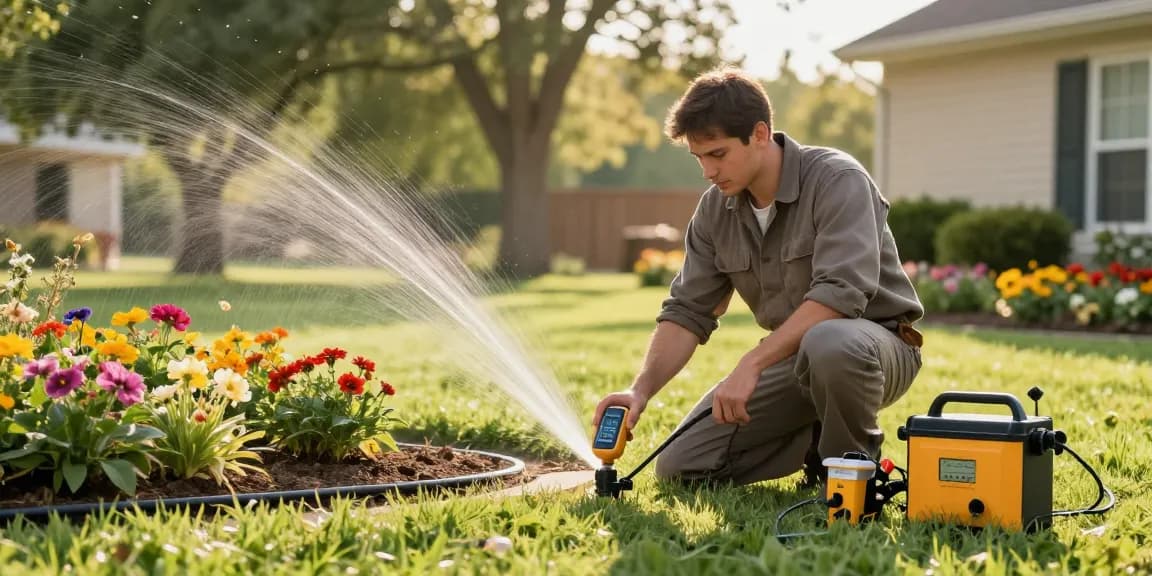
- Test the System: Run a test cycle to check for proper coverage and functionality. Adjust positions or settings as necessary.
Connecting to Wi-Fi and Setting Up the App
Connecting your smart sprinkler to Wi-Fi is essential for accessing its full range of features. Follow these steps:
- Download the App: Search for your smart sprinkler's dedicated app on your device's app store.
- Create an Account: Sign up for an account to connect your device to the app.
- Follow Instructions: Use the app’s step-by-step guide to connect the smart sprinkler to your home Wi-Fi. Ensure you are within range during setup.
- Configure Settings: Customize your watering schedule directly through the app, adjusting for specific zones and plant needs.
Optimizing Water Use with Smart Sprinklers
To maximize the effectiveness of your smart sprinkler system, it is crucial to optimize its use based on environmental factors and plant requirements. Smart irrigation allows for efficient water management, ultimately leading to healthier plants and reduced water consumption.
Monitoring Soil Moisture Levels
Regular monitoring of soil moisture levels is key to effective irrigation. By utilizing soil sensors, gardeners can receive real-time data that helps them understand when and where to water. Setting threshold levels can prevent over-watering while ensuring that plants receive sufficient moisture.
Scheduling Watering Times and Durations
Customizing your watering schedule is a significant advantage of smart sprinkler systems. Gardeners can program their devices to water early in the morning or late in the evening, reducing evaporation and enhancing water absorption. Additionally, users can adjust timer settings based on specific plant needs and seasonal changes.
Adjusting Watering for Seasonal Changes
As seasons change, so do the watering requirements of plants. Smart sprinklers can be programmed to adjust settings based on season, ensuring plants receive adequate moisture during dry summer months while conserving water during cooler seasons. This adaptability supports sustainable gardening practices.
Maintenance Tips for Smart Sprinkler Systems
Proper maintenance of your smart sprinkler system ensures longevity and consistent performance. Implementing routine checks and keeping an eye on software updates are essential for optimal functionality.
Routine Checks and Troubleshooting Common Issues
Regularly inspect your sprinkler system for clogged nozzles, damaged hoses, or loose connections. Identifying and addressing these issues promptly can prevent water waste and ensure even coverage. For problems that are not easily fixable, consulting the user manual or contacting customer support can provide solutions.
Firmware Updates and App Management
Keeping your smart sprinkler's firmware updated is crucial for maintaining security and functionality. Most apps will notify users when updates are available, allowing for enhanced features and improved performance.
Cleaning and Protecting Your Equipment
Cleaning your smart sprinkler system periodically helps maintain its effectiveness. Remove any debris from sprinkler heads or filters and store devices securely during off-seasons to protect them from the elements.
Future Trends in Smart Irrigation Technologies
The field of smart irrigation technology is continually evolving. With improved innovations on the horizon, homeowners can expect even smarter solutions that cater to environmental sustainability and efficiency.
Emerging Innovations in Smart Sprinkler Systems
As technology advances, expect to see new features such as artificial intelligence capabilities that better predict watering needs based on historical data and real-time environmental changes. These enhancements will allow for even more efficient water usage.
Integration with Smart Home Devices
Smart sprinklers are likely to become more integrated with other smart home devices. This integration will allow for complete home management, enabling users to control all aspects of their home environment, including water use, from a single application.
Environmental Considerations and Water Conservation
As concerns about water scarcity grow, smart irrigation technologies will play an essential role in promoting water conservation practices. Homeowners embracing these systems will not only reduce their water bills but also contribute to broader environmental efforts.
What are the cost benefits of using a smart sprinkler?
Investing in a smart sprinkler system can lead to significant cost savings in the long run. By optimizing water usage, homeowners can reduce their utility bills. Additionally, the enhanced plant growth resulting from precise watering can lead to a more vibrant and productive garden.
Can smart sprinklers work with existing irrigation systems?
Yes, many smart sprinklers are designed to work with existing irrigation setups. Homeowners can usually upgrade their systems without a complete overhaul, allowing for the incorporation of smart technology into their established gardening practices.
How do smart sprinklers help in water conservation?
Smart sprinklers utilize real-time data to determine when and how much to water, significantly reducing waste. By adapting to weather conditions and soil moisture, these systems ensure that irrigation only occurs when needed, promoting sustainable practices.
Are there smart sprinkler options for gardening in small spaces?
Absolutely! Many smart sprinkler systems are designed specifically for small gardens or indoor setups. These compact systems can be programmed for precise watering, ensuring that even the smallest garden flourishes.
What are the most popular smart sprinkler brands in 2026?
As of 2026, leading brands in the smart sprinkler market include RainPoint, Rachio, and Orbit. Each of these brands offers a variety of features tailored to different gardening needs and preferences, ensuring all homeowners can find a suitable solution for their landscape.