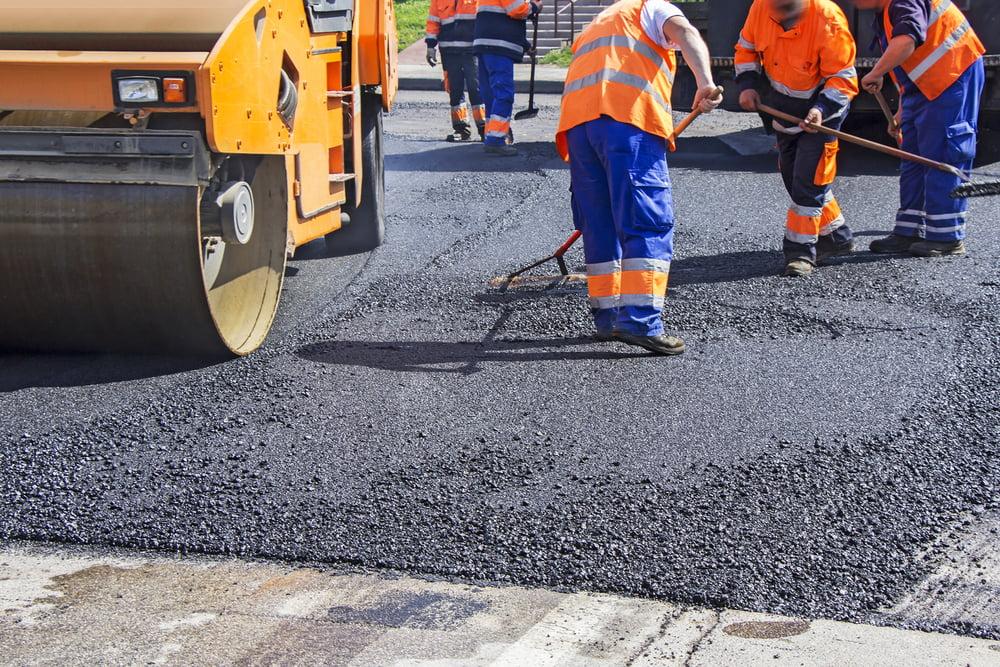
For property owners in Utah, the majestic mountain scenery comes with a specific set of climatic challenges that directly affect the ground beneath your feet. The very elements that define the state’s beauty—dramatic temperature swings, heavy snowfall, intense UV exposure, and freeze-thaw cycles—are also the primary forces working against the longevity of your pavement. Understanding how mountain climate weather conditions impact asphalt is not merely academic; it’s essential for making informed decisions about installation, maintenance, and repair to protect your investment.
Asphalt is a viscoelastic material, meaning its properties change with temperature. In Utah’s varied elevations, temperatures can swing 40 degrees or more in a single day. This constant expansion and contraction stress the pavement binder, the glue that holds the aggregate together. Over time, this stress leads to cracks, which then allow water infiltration—the true nemesis of any asphalt surface in a cold climate. This cycle of damage is accelerated in mountain regions, making standard paving practices insufficient.
This article will detail the specific ways Utah’s mountain climate attacks asphalt, from thermal cracking to moisture damage. We will also outline the specialized techniques and materials required for a resilient installation and provide a clear maintenance strategy to extend your pavement’s life despite the harsh conditions.
- The Science of Asphalt in Extreme Temperatures
- Water: The Silent Destroyer in Freeze-Thaw Cycles
- Seasonal Challenges: From Snow Plows to Summer Sun
- Specialized Installation Techniques for Mountain Climates
- Proactive Maintenance: Your Best Defense Against the Climate
- Frequently Asked Questions
- Conclusion
The Science of Asphalt in Extreme Temperatures
Asphalt pavement is not a static slab; it’s a dynamic surface that breathes and moves with environmental changes. The binder, typically derived from crude oil, softens in heat and becomes brittle in cold. In Utah’s mountain valleys and higher elevations, summer daytime highs can be followed by significantly cooler nights. This daily thermal cycling causes the pavement to expand and contract repeatedly, inducing fatigue.
When asphalt cannot contract back to its original state as temperatures drop, thermal cracks develop. These are often transverse cracks that appear fairly straight across the pavement. Unlike load-related cracks, they originate from climate stress. Furthermore, intense summer sun at high altitudes delivers stronger ultraviolet (UV) radiation. UV rays oxidize the asphalt binder, causing it to lose its flexibility and become dry and brittle—a process called raveling, where aggregate stones loosen from the surface.
The Critical Role of the Right Asphalt Mix
Combating these temperature extremes starts at the mix design stage. A one-size-fits-all asphalt mix will fail prematurely. For mountain climates, mix designs must be engineered for performance grade (PG). A PG binder rated for Utah’s conditions, such as PG 58-34, is formulated to remain pliable at low temperatures (down to -34°C) and stable at high temperatures (up to 58°C). Reputable contractors offering comprehensive asphalt paving Utah services will specify and use these performance-grade materials as a baseline, not an upgrade.
Water: The Silent Destroyer in Freeze-Thaw Cycles
While temperature swings are damaging, water is the agent that magnifies the destruction. This is most devastating during freeze-thaw cycles, which are frequent in Utah from fall through spring. Water seeps into tiny cracks or porous areas in the asphalt. When temperatures drop below freezing, this water expands by approximately 9% as it turns to ice. This expansion exerts tremendous pressure, widening cracks and pushing the asphalt apart.
When the ice melts, water flows deeper into the newly enlarged crack, only to freeze and expand again with the next cold snap. This cycle, repeated dozens of times a season, can quickly turn a small hairline crack into a large pothole. Effective drainage is therefore non-negotiable. Proper slope and crown design ensure water runs off the pavement surface quickly, rather than pooling and infiltrating.
Seasonal Challenges: From Snow Plows to Summer Sun
Each season in Utah’s mountain regions presents a unique threat to asphalt integrity.
Winter: Beyond freeze-thaw, mechanical damage from snow removal is a major concern. Metal snowplow blades can scrape and gouge the pavement surface, especially if the asphalt has already become brittle from cold. The use of de-icing chemicals like calcium chloride or rock salt can also accelerate the deterioration of the asphalt binder and corrode the aggregate.
Spring: This is often the period of peak freeze-thaw activity and when the winter’s damage becomes fully visible. Melting snow and spring rains flood subgrade soils, which can soften and lead to settlement and alligator cracking if the asphalt base is insufficient.
Summer: High-altitude UV radiation is most intense. Combined with high daytime temperatures, this accelerates oxidation and can cause the asphalt to become soft and rut under heavy loads if the mix was not designed for high-temperature stability.
Fall: Rapid cooling temperatures can lock in stresses, and early frosts can begin the freeze-thaw cycle anew before standing water from autumn rains has fully evaporated.
Specialized Installation Techniques for Mountain Climates
Successfully installing asphalt in Utah’s mountain climate requires going beyond standard procedure. It begins with a robust base. A thicker, well-compacted aggregate base (often 6-8 inches or more) provides a stable, well-draining platform that resists frost heave and ground moisture. The subgrade soil itself must be properly graded and compacted to prevent future settlement.
The paving season is also more constrained. Asphalt must be installed when ground temperatures are suitable—typically from late spring through early fall—and not when rain or near-freezing temperatures are imminent. The compaction process is critical; the mat must be rolled at the correct temperature to achieve the necessary density without tearing or shoving the material. Inadequate compaction leads to premature air and water infiltration.
Finally, a high-quality sealcoat applied after the asphalt has fully cured (usually 6-12 months post-installation) is a vital first line of defense. It acts as a sunscreen and water repellent, slowing oxidation and reducing water absorption. This initial protection is a cornerstone of professional asphalt services Utah providers recommend for long-term durability.
Proactive Maintenance: Your Best Defense Against the Climate
Given the relentless environmental pressures, a reactive “fix-it-when-it-breaks” approach is the most expensive strategy. A proactive maintenance plan is cost-effective and essential.
1. Annual Inspections: Conduct a thorough inspection each spring and fall. Look for new cracks, raveling edges, or areas of standing water.
2. Prompt Crack Sealing: This is the single most important maintenance task. Seal any crack wider than 1/8 inch with a hot-pour rubberized sealant. This prevents water intrusion and stops small cracks from becoming major failures.
3. Regular Sealcoating: Reapply a commercial-grade sealcoat every 2-3 years, depending on wear and exposure. It restores flexibility to the surface and protects the binder.
4. Proper Drainage Maintenance: Keep drainage ditches, culverts, and gutters clear of debris to ensure water is directed away from pavement edges and subgrades.
5. Careful Winter Practices: Use plastic-bladed plows to minimize surface abrasion, and apply de-icers judiciously. Sand can provide traction with less chemical impact.
Frequently Asked Questions
How does altitude specifically affect asphalt in Utah?
Higher altitudes intensify UV radiation, which speeds up the oxidation and brittleness of the asphalt binder. The air is also thinner, which can affect the curing process during installation and often means more pronounced temperature fluctuations between day and night.
Can asphalt be installed in the winter in mountain areas?
It is highly discouraged. Asphalt must be compacted at high temperatures (often over 250°F) to achieve proper density. Cold ambient and ground temperatures cause the mat to cool too quickly, resulting in poor compaction, reduced strength, and a surface prone to immediate raveling and cracking.
Why do potholes form so quickly here after a crack appears?
Utah’s frequent freeze-thaw cycles are the culprit. Water enters a crack, freezes and expands, widening the crack. This cycle repeats, rapidly breaking down the asphalt and the base beneath it, leading to a pothole sometimes within a single season.
Is there a type of asphalt more resistant to mountain weather?
Yes. Aside from using Performance Graded (PG) binders, polymer-modified asphalts (PMA) contain additives that increase elasticity and resistance to both thermal cracking and rutting. Stone Mastic Asphalt (SMA) mixes, with a higher binder and mineral content, also offer superior durability and resistance to wear in harsh climates, though at a higher initial cost.
How thick should my asphalt driveway be in a mountain climate?
For residential driveways, a minimum of 3 inches of asphalt compacted over a 6-inch compacted aggregate base is a standard recommendation for moderate climates. In mountain regions with severe freeze-thaw, increasing the asphalt thickness to 4 inches and the base to 8 inches provides significantly better long-term performance and stability.
Does the color of asphalt affect its performance?
Indirectly, yes. A fresh asphalt surface is black, which helps it absorb heat and stay more flexible in cold weather. As it grays due to oxidation and wear, it reflects more sunlight, potentially making the surface slightly colder and more brittle in winter, highlighting the importance of sealcoating to maintain the protective black surface.
Conclusion
The impact of mountain climate weather conditions on asphalt in Utah is profound and unforgiving. The combination of thermal stress, relentless moisture, and mechanical wear demands a shift from conventional paving thinking to a specialized, climate-adaptive approach. The longevity of your pavement hinges on three pillars: an installation that uses performance-grade materials and a robust base, an understanding of the seasonal threats, and an unwavering commitment to proactive, seasonal maintenance.
Viewing your asphalt pavement as a system that requires climate-specific care transforms your approach from cost-center to long-term investment. By partnering with contractors who understand these regional demands and implementing a disciplined maintenance schedule, you can ensure your asphalt surface remains safe, functional, and aesthetically pleasing for years, even in the face of Utah’s stunning yet formidable mountain weather.