Understanding the Leather Tensile Strength Tester
The leather tensile strength tester is an essential instrument used in various industries to determine the tensile strength and elasticity of leather materials. Accurate measurement of these properties is critical for industries involved in manufacturing leather goods, including footwear, apparel, and upholstery. By evaluating the tensile strength of leather, manufacturers can ensure their products meet necessary quality standards and consumer expectations. When exploring options, leather tensile strength tester provides comprehensive insights into material performance.
What is a Leather Tensile Strength Tester?
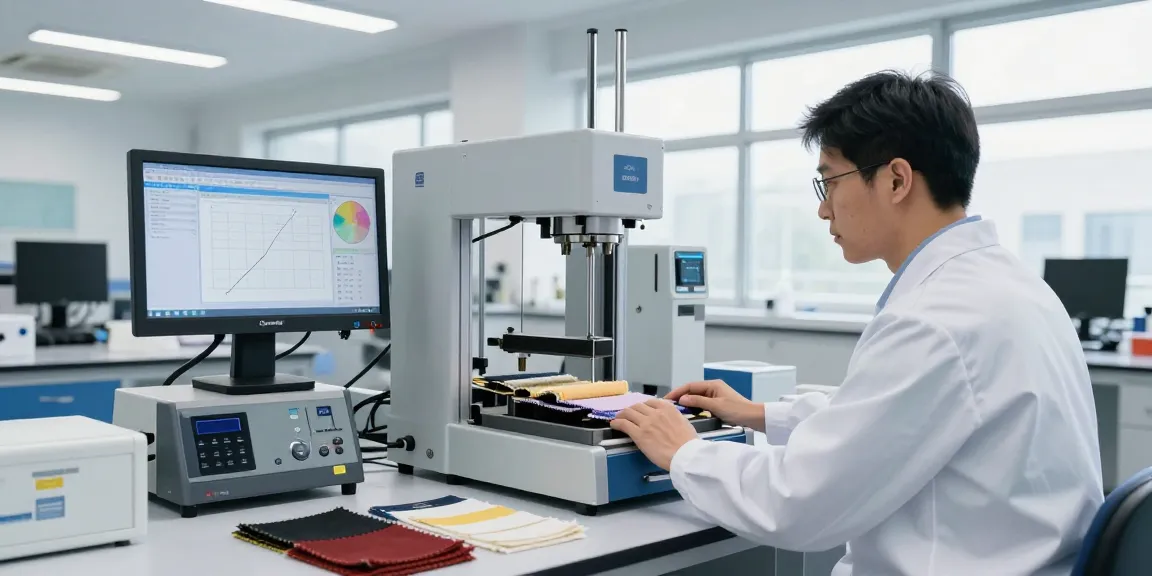
A leather tensile strength tester is a specialized device used to apply controlled tension to a leather sample until it breaks. The results of this test provide valuable data about the leather's strength and how it behaves under stress. Typically, the tester will measure both the maximum force exerted before breaking (tensile strength) and the elongation of the leather as it stretches. This information is crucial in determining the suitability of leather for specific applications, ensuring that it can withstand the demands of various environments and uses.
Key Features of Modern Tensile Strength Testers
- High Accuracy: Modern testers like the SmartPull series are designed with advanced sensors and control systems, ensuring measurement errors are minimized to within 1%.
- Smart Software: These testers often come equipped with user-friendly software that provides real-time data visualization, including stress-strain curves and critical metrics such as peak force and elongation.
- Safety Mechanisms: Built-in safety features protect both the test samples and the operator, ensuring that measurements can be conducted without risk of damage or injury.
- Multi-Functional Capabilities: In addition to tensile testing, many models can conduct a variety of tests, including tearing, compression, and shearing, allowing for versatile application across different materials.
Importance of Accurate Measurements
Accurate measurements in leather tensile strength testing are vital for several reasons. They help manufacturers meet industry standards and regulations, improve product quality, and reduce the risk of product failures. In sectors like fashion and automotive, where leather is a primary material, inadequate tensile strength can lead to significant financial losses and damage to brand reputation. Furthermore, understanding the mechanical properties of leather allows for better material selection during the design phase, ultimately leading to more durable and reliable products.
How to Use a Leather Tensile Strength Tester Effectively
Using a leather tensile strength tester effectively requires careful preparation and attention to detail. Proper setup and operation can significantly impact the accuracy and reliability of test results. Here’s a step-by-step guide to ensure successful testing:
Preparing Samples for Testing
Before testing, it is crucial to prepare the leather samples accurately. The samples should be cut to specified dimensions, typically following the relevant testing standards. Ensuring that samples are free from defects, properly conditioned, and of consistent thickness will help minimize variability in results. Additionally, samples should be conditioned according to the relevant testing protocols to simulate real-world conditions.
Setting Up the Tester: Step-by-Step Guide
- Calibration: Ensure the tensile tester is calibrated according to manufacturer specifications. Regular calibration confirms the device operates within defined accuracy limits.
- Sample Placement: Securely clamp the leather samples at both ends in the test grips of the machine. Ensure the sample is level and straight to avoid additional stresses during testing.
- Input Settings: Enter the required test parameters into the tester’s software, such as test speed, force limits, and number of tests to run.
- Conducting the Test: Initiate the test and monitor the process. The machine will apply tensile force until the sample breaks, recording data throughout the process.
Interpreting Test Results and Data
Once the test is complete, the software will generate a report detailing the results. Key data to analyze include the maximum tensile strength (measured in Newtons or pounds) and elongation at break (expressed as a percentage). A stress-strain curve can also provide insights into how the leather behaves under tension. Understanding these results allows manufacturers to make informed decisions regarding material selection and product design.
Compliance with International Testing Standards
Compliance with international testing standards is crucial for manufacturers looking to ensure their products meet global market requirements. Various standards govern leather testing, and adhering to these can enhance product reliability and consumer trust.
Overview of Relevant Standards (e.g., ISO, ASTM)
Common standards for leather tensile strength testing include ISO 3377-2 and ASTM D5034. These standards outline specific methodologies for preparing samples, conducting tests, and reporting results to ensure consistency and reliability across different laboratories and manufacturers.
How Standards Impact Testing Procedures
Industry standards dictate not only the procedures for conducting tests but also define acceptable performance thresholds for materials. By adhering to these standards, manufacturers can benchmark their materials against those of competitors, ensuring their products offer comparable quality.
Ensuring Compliance for Quality Assurance
To ensure compliance with testing standards, regular audits and quality checks should be implemented in the testing processes. Additionally, keeping up with changes to standards and incorporating them into internal testing protocols is crucial for maintaining market relevance.
Common Challenges in Leather Tensile Testing
While tensile testing is vital for assessing leather quality, several challenges may arise during the process. Recognizing and addressing these challenges can lead to more accurate and reliable results.
Identifying and Mitigating Measurement Errors
Measurement errors can occur due to several factors, including calibration issues, sample preparation inconsistencies, and environmental conditions such as humidity and temperature. Regular calibration and consistent sample preparation techniques can help mitigate these errors.
Dealing with Material Variations
Leather is a natural material, meaning inherent variations in properties such as thickness and texture can affect tensile strength. Understanding these variations and implementing controls in sample selection can enhance result accuracy.
Best Practices for Consistent Results
- Standardized Testing Protocols: Develop and follow consistent testing protocols to ensure results are comparable over time.
- Regular Equipment Maintenance: Maintain testing equipment regularly to prevent mechanical failures and inaccuracies.
- Training Personnel: Ensure that all personnel involved in testing are adequately trained and understand the importance of standard procedures.
Future Trends in Leather Tensile Strength Testing
The field of leather tensile strength testing is evolving, with advancements in technology promising to enhance testing accuracy and efficiency. Keeping abreast of these trends is essential for manufacturers aiming to maintain a competitive edge.
Emerging Technologies and Innovations
Future innovations may involve the integration of artificial intelligence to analyze test data more comprehensively, helping manufacturers predict material performance under various conditions. Likewise, improved sensor technology may lead to more accurate real-time measurements.
Predicting Changes in Testing Standards
As material science continues to advance, testing standards will likely evolve to incorporate new materials and technologies. Manufacturers should proactively monitor these changes to ensure ongoing compliance.
Preparing for the Future of Textile Testing in 2026
By 2026, the integration of digital technologies in testing processes will likely be widespread. Manufacturers should invest in training and upgrading their equipment to remain competitive and meet the increasing expectations of quality assurance.
What are the Benefits of Using a Leather Tensile Strength Tester?
Using a leather tensile strength tester can lead to improved product durability and quality, enhanced compliance with industry standards, and reduced risk of material failure. Ultimately, these benefits contribute to increased consumer satisfaction and brand loyalty.
How Often Should Tensile Testers Be Calibrated?
Calibration frequency typically depends on usage intensity and manufacturer recommendations. Regular calibration, ideally every six months, ensures that the tester maintains its accuracy and reliability.
What Types of Materials Can Be Tested with a Leather Tensile Strength Tester?
While primarily designed for leather, tensile strength testers can also evaluate fabrics, papers, and synthetic materials. This versatility makes them invaluable in various manufacturing sectors.
Can Tensile Strength Testers Be Automated?
Yes, many modern testers offer automation features that streamline the testing process. Automation reduces human error and increases testing speed, providing manufacturers with quicker insights into material performance.
What is the Typical Price Range for a Leather Tensile Strength Tester?
The price of leather tensile strength testers varies significantly based on features and capabilities. Entry-level models can start from $3,000, while advanced models with automated features can reach upwards of $100,000. It's crucial for manufacturers to assess their specific testing needs before making a purchase.