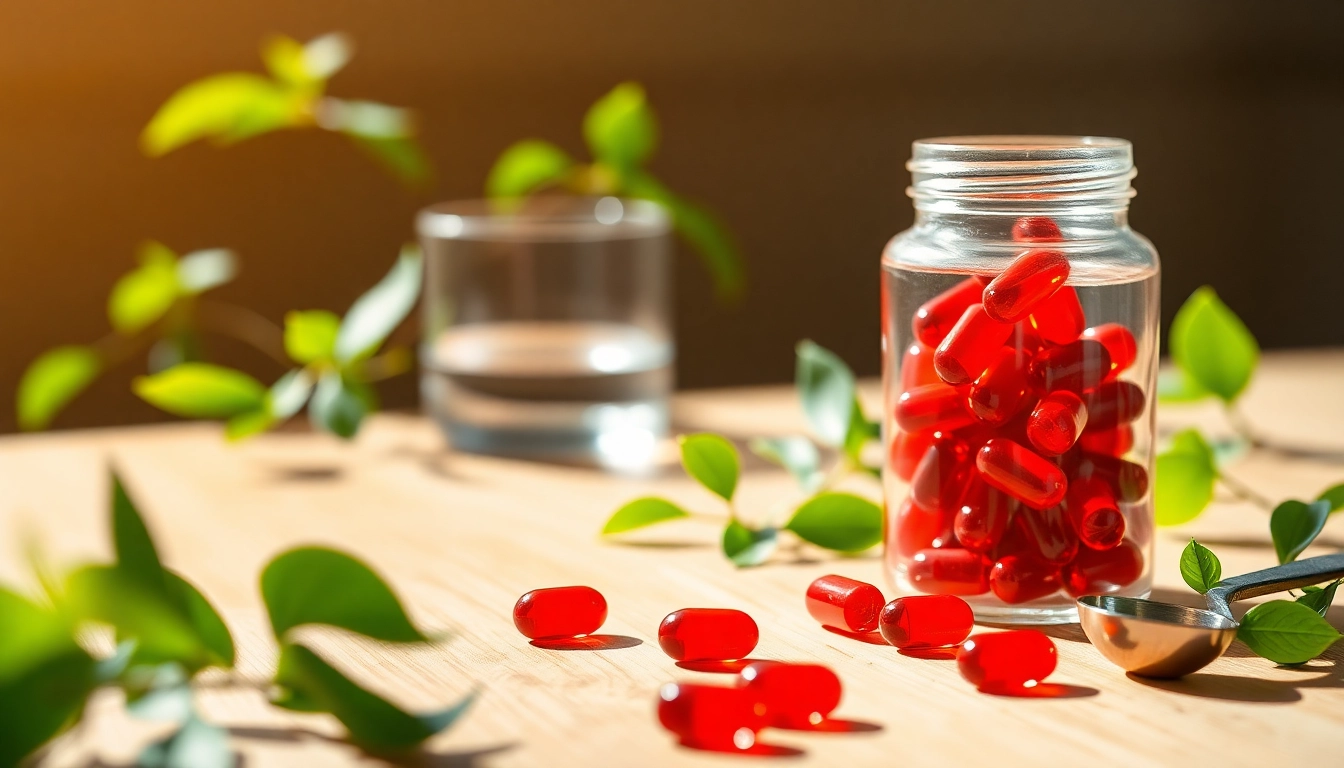
Understanding Premium Astaxanthin
Premium astaxanthin is gaining recognition as one of the super antioxidants in the health and wellness sector. Derived mainly from microalgae, this potent carotenoid has garnered attention due to its exceptional health benefits, particularly in supporting cardiovascular health, enhancing skin appearance, and improving athletic performance. As we delve into the world of premium astaxanthin, it's essential to understand its nature, sources, and the science behind its remarkable advantages.
What is Premium Astaxanthin?
Astaxanthin is a naturally occurring carotenoid pigment that gives many marine organisms, such as salmon, shrimp, and flamingos, their pink or red color. Unlike other carotenoids, astaxanthin is unique due to its molecular structure, which allows it to cross the blood-brain barrier and exert effects in both the central nervous system and various tissues throughout the body. Premium astaxanthin is often sourced from Haematococcus pluvialis, a microalga, which is known for producing the highest concentration of astaxanthin.
Health Benefits of Astaxanthin
The health benefits of premium astaxanthin are supported by an expanding body of research. Some of the most notable advantages include:
- Anti-inflammatory properties: Astaxanthin has been shown to significantly reduce inflammation in the body, which can help in conditions like arthritis and other inflammatory disorders.
- Antioxidant power: It is considered one of the most potent antioxidants, protecting cells from oxidative damage and reducing the risk of chronic diseases.
- Cardiovascular support: Research indicates that astaxanthin may improve blood lipid profiles, thereby promoting heart health.
- Skin health: Astaxanthin can improve skin elasticity, hydration, and reduce signs of aging, making it beneficial for skincare routines.
- Eye health: Its ability to protect retinal cells from oxidative stress makes it valuable in maintaining eye health and reducing the risk of age-related macular degeneration.
How Premium Astaxanthin Differs from Regular Options
While all astaxanthin presents antioxidant properties, premium astaxanthin, typically derived from natural sources, is more effective than synthetic alternatives. Natural astaxanthin is bioavailable, meaning it can be easily absorbed and utilized by our bodies. Synthetic versions may contain lower efficacy and lack some of the health benefits associated with their natural counterparts.
Sources and Types of Premium Astaxanthin
Natural vs Synthetic Astaxanthin
Understanding the differences between natural and synthetic astaxanthin is crucial for consumers. Natural astaxanthin is extracted from microalgae, primarily Haematococcus pluvialis, which is considered to have superior bioavailability. In contrast, synthetic astaxanthin, often produced from petrochemicals, may not provide the same spectrum of health benefits. Consumers should look for products that specify their sourcing to ensure they are getting a high-quality supplement.
Top Sources of High-Quality Astaxanthin
When searching for high-quality astaxanthin, it’s important to prioritize products derived from reputable sources. The top sources include:
- Haematococcus pluvialis: This freshwater microalga contains the highest concentration of astaxanthin.
- Krill oil: An alternative source that offers astaxanthin along with omega-3 fatty acids.
- Salmon and trout: These fish are rich in natural astaxanthin, contributing to their coloration and health benefits.
Factors to Consider When Choosing Astaxanthin
When selecting a premium astaxanthin supplement, consider the following factors:
- Purity: Ensure the product is free from contaminants and fillers.
- Source: Opt for sustainably sourced astaxanthin, preferably from microalgae.
- Bioavailability: Look for formulations that enhance absorption, such as those combined with fats or oils.
- Certification: Check for third-party testing or certifications that can validate the product’s claims.
Integrating Premium Astaxanthin into Your Diet
Best Consumption Practices
To maximize the benefits of premium astaxanthin, it is essential to integrate it effectively into your diet. The best practices include:
- Taking astaxanthin with meals that contain healthy fats to increase absorption.
- Incorporating it consistently into your daily routine, as regular intake can enhance its health effects.
Complementary Nutrients for Enhanced Benefits
Combining astaxanthin with certain nutrients can further amplify its benefits. Vitamins E and C, along with omega-3 fatty acids, work synergistically with astaxanthin to provide enhanced antioxidant protection and promote overall health.
Astaxanthin Supplementation Recommendations
For optimal results, typical supplementation recommendations suggest a daily intake of 4-12 mg of astaxanthin. However, it's crucial to consult with a healthcare professional to tailor the dosage based on individual health needs and conditions.
Real-World Applications of Premium Astaxanthin
Astaxanthin in Sports Nutrition
Astaxanthin is increasingly popular in sports nutrition due to its ability to reduce exercise-induced oxidative stress, enhance endurance, and improve recovery. Athletes are turning to astaxanthin supplements to help them achieve better performance and faster recovery times.
Impact on Skin Health and Aging
The cosmetic benefits of astaxanthin have been widely acknowledged, with studies showing that it can improve skin elasticity, reduce fine lines, and protect from UV-induced damage. This makes it an essential ingredient in anti-aging skincare products.
Astaxanthin and Eye Health Solutions
With the rising concern over eye health, especially among the aging population, astaxanthin has emerged as a contender in protecting against age-related macular degeneration and other ocular issues. Its ability to reduce inflammation and oxidative stress in the eyes makes it a vital nutrient for eye health.
Future Trends in Astaxanthin Research and Usage
Innovations in Product Development for 2026
As the demand for premium astaxanthin continues to grow, innovations in product development are expected to focus on enhancing bioavailability and creating new applications in functional foods, beverages, and cosmetics. Advances in extraction technologies are likely to yield higher purity levels and concentration.
Emerging Research Findings on Astaxanthin
Ongoing research is uncovering a wider array of health benefits linked to astaxanthin, including potential roles in managing metabolic disorders and improving mental health. As these findings emerge, they will likely influence product formulations and marketing strategies within the health industry.
Consumer Awareness and Market Growth Potential
As consumer awareness of the benefits of astaxanthin increases, the market is projected to expand significantly by 2026. Education campaigns highlighting its health benefits will be crucial in driving sales and encouraging wider acceptance of astaxanthin as a dietary supplement.
What makes premium astaxanthin superior?
Premium astaxanthin stands out from other types due to its superior bioactivity, sourced from natural algae, and enhanced absorption characteristics, delivering more health benefits to consumers.
Are there potential side effects of astaxanthin?
While astaxanthin is generally regarded as safe, some individuals may experience mild side effects, including digestive upset or skin discoloration. It’s advisable to consult a healthcare professional before starting supplementation.
How to choose the right astaxanthin supplement?
Choosing the right astaxanthin supplement involves considering factors such as source, purity, formulation, and personal health needs. Opting for products with third-party testing can provide additional assurance of quality.
Can astaxanthin aid in athletic performance?
Yes, astaxanthin has been shown to improve endurance and reduce fatigue in numerous studies, making it a popular supplement among athletes looking to enhance their performance.
What is the recommended dosage for astaxanthin?
The recommended dosage ranges from 4 mg to 12 mg per day, depending on individual health goals and needs, but consulting with a healthcare provider is best to determine the appropriate level for you.