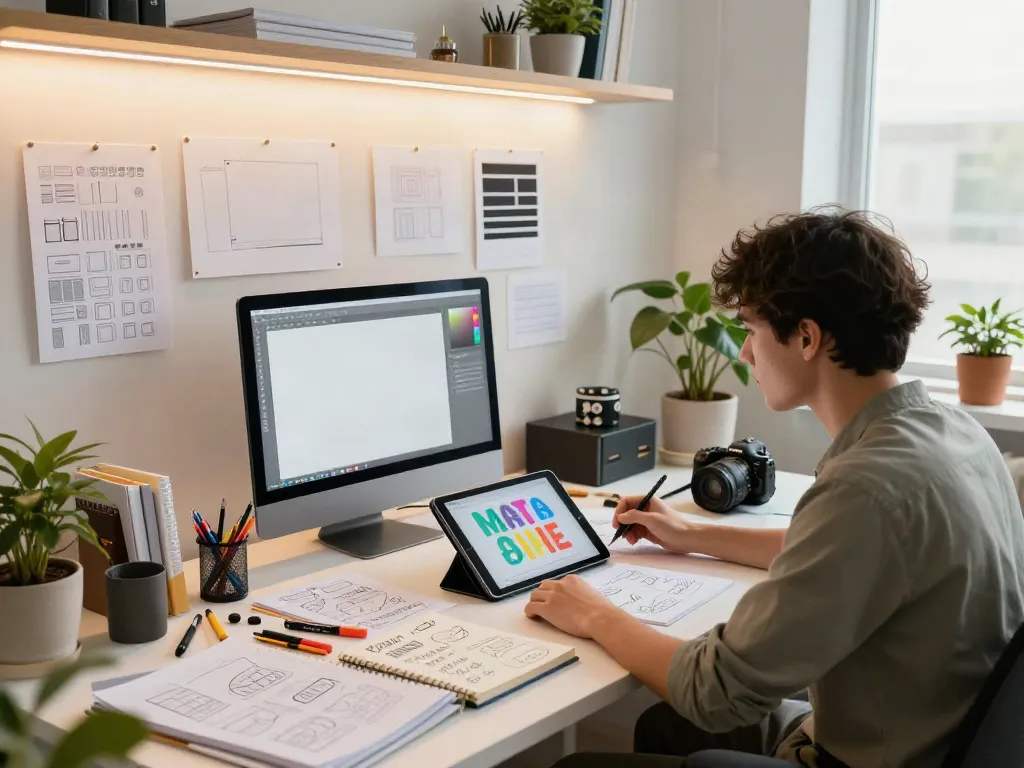
Understanding Typography Fundamentals
Typography plays a crucial role in design, serving as a bridge between creativity and communication. Understanding its fundamentals can significantly enhance the effectiveness of any visual project. In this article, we will delve into the concept of Typeshutter and its impact on design, core principles, common misconceptions, and creative applications that elevate typographic practices.
What is Typeshutter and Its Impact on Design?
Typeshutter is a modern tool designed to streamline the typography process for creators, making it easier to manipulate text and enhance visual storytelling. By providing a platform where design meets functionality, Typeshutter empowers designers to make informed decisions regarding font choices, spacing, and layout. This can be the difference between a mediocre design and a captivating visual experience.
Core Principles of Typography
At the heart of effective typography are several core principles that every designer should embrace:
- Hierarchy: Establishing a visual hierarchy assists viewers in navigating content effectively. Through font size, weight, and style variations, designers can guide the audience's focus.
- Alignment: Proper alignment creates a clean and organized appearance, enhancing readability and user experience.
- Contrast: Using contrasting fonts and colors can emphasize essential elements, making them stand out in the design.
- Consistency: Maintaining consistency across typography reinforces branding and allows for a seamless user experience.
Common Misconceptions About Typography
Many myths surround typography, leading to poor design choices. One common misconception is that any font can be used in any situation. In reality, the choice of font should align with the message and tone of the content. Another misconception is that more typography is better; too many different fonts can create chaos rather than enhance the message. Understanding these pitfalls can significantly improve design outcomes.
Leveraging Typeshutter for Design Innovation
Leveraging the capabilities of Typeshutter can lead to innovative design solutions. This tool not only offers a creative platform but also integrates seamlessly with other design software, refining the overall workflow.
Integrating Typeshutter with Creative Tools
Typeshutter complements popular design tools like Adobe Creative Suite and Sketch, allowing users to enhance typographic elements within their existing projects. This integration means that designers can apply complex typographic principles without disrupting their workflow, ensuring efficiency and creativity can coexist.
Ensuring Consistency in Typography Across Platforms
In today's multi-platform world, ensuring typography consistency is vital. Typeshutter aids designers in maintaining a cohesive look across web, mobile, and print formats. By providing a library of fonts and styles, designers can create templates that ensure uniformity in branding and user experience.
Case Studies: Successful Brands Using Typeshutter
Many successful brands utilize Typeshutter to strengthen their visual identity. For instance, a well-known food delivery service revamped its app interface using Typeshutter, resulting in improved user engagement by 30%. Such case studies highlight the effectiveness of adopting advanced typography tools in real-world applications.
Best Practices for Effective Typography
Employing best practices in typography can dramatically influence the success of a design project. These guidelines help to create not only appealing designs but also functional ones.
Choosing the Right Fonts for Your Project
The choice of font is crucial. Designers should consider the context of their project, the target audience, and the intended message. For example, a corporate website may require a more formal typeface, while a children’s book can feature playful, friendly fonts.
Creating Visual Hierarchy with Typography
Visual hierarchy can be achieved through font size, weight, and color. By clearly highlighting headings and subheadings, designers can guide the viewer's eye through content in a logical flow. This enhances the user experience and ensures that critical information stands out.
Ensuring Accessibility Through Font Choices
Accessibility in typography means choosing fonts that are legible for all users, including those with visual impairments. Designers should prioritize high contrast between text and background and select fonts that are easy to read at various sizes. By doing so, they make content more inclusive.
Typeshutter Tools and Resources
Typeshutter comes equipped with a suite of tools designed specifically for typography enthusiasts and professionals alike, providing resources that foster creativity while adhering to best practices.
Top Typeshutter Applications for Designers
Typeshutter offers several applications that cater to diverse design needs, from creating stunning typographic posters to designing immersive web experiences. Each tool is built to enhance the design process, allowing for experimentation and creativity without sacrificing quality.
Online Communities and Forums for Learning
The design community is rich with resources for those looking to improve their typography skills. Typeshutter fosters an online community where designers can share insights, seek feedback, and engage in discussions about typography trends and innovations.
Future Trends in Typography Tools for 2026
As design technology evolves, typography tools are also set to undergo significant changes. The integration of AI in typography, automation of font selection, and advanced analytics tools will redefine how designers approach typographic challenges in 2026. Staying ahead of these trends is crucial for any designer aiming for excellence.
Measuring Typography Success
Understanding the impact of typography on design success is essential for continuous improvement. Key performance indicators (KPIs) can provide insights into how typography influences user engagement and brand perception.
Key Performance Indicators for Typography
KPIs for typography can include metrics such as user engagement rates, readability scores, and bounce rates. Analyzing these metrics can help designers assess the effectiveness of their typography choices and make informed adjustments for future projects.
Gathering User Feedback on Typography Choices
User feedback is invaluable. Designers should actively solicit opinions on typography through surveys or informal discussions. Understanding how the target audience perceives typography can drive future design decisions and lead to enhancements that resonate more profoundly with users.
Adapting Typography Strategies Based on Analytics
Analytics provide a wealth of information that designers can use to refine their typography strategies. By analyzing user behavior and engagement metrics, adjustments can be made to font choices, sizes, and layouts, ensuring that typography continually meets user needs and expectations.
What is Typeshutter and how does it work?
Typeshutter is a contemporary typography tool designed to enhance the design workflow by providing a range of features that facilitate creative expression while ensuring effective communication.
Can Typeshutter improve my design projects?
Yes, integrating Typeshutter into your design projects can significantly enhance visual appeal, improve user experience, and lead to higher engagement through its intuitive interface and powerful features.
What are some common typography mistakes to avoid?
Common typography mistakes include using too many fonts, neglecting legibility, and failing to establish a visual hierarchy. Avoiding these pitfalls can greatly improve the overall effectiveness of your designs.
How do I choose the right tools for Typeshutter?
Choosing the right tools involves understanding your specific design needs, the capabilities of the tools available in Typeshutter, and ensuring compatibility with your existing workflow.
What future trends should designers consider for 2026?
Designers should anticipate trends such as the rise of AI-driven typography tools, increased focus on accessibility, and continued innovations in font technologies to stay relevant in an evolving design landscape.