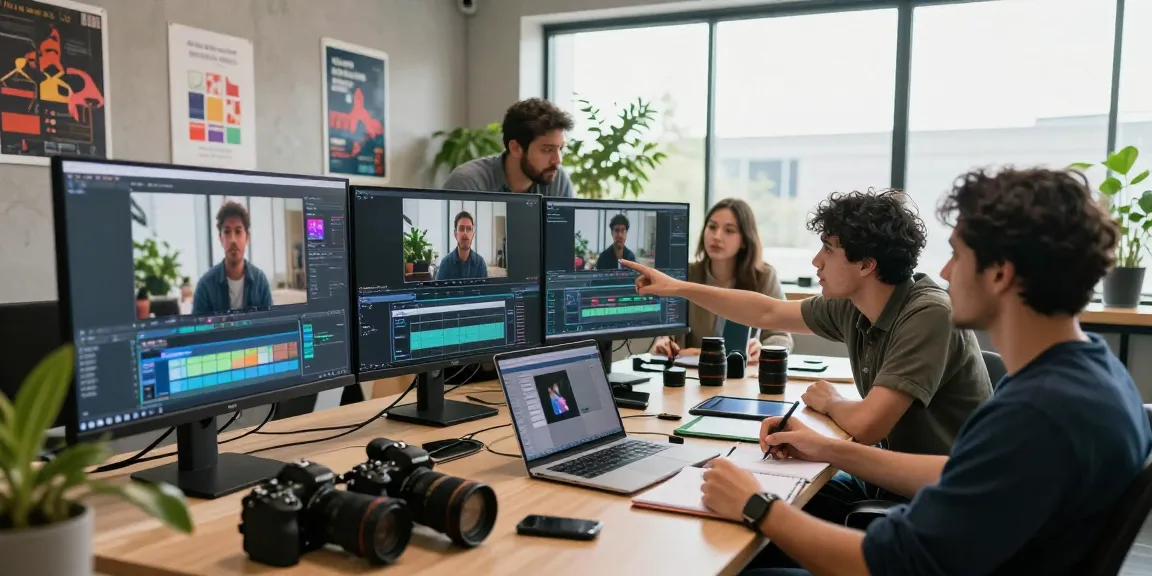
Understanding ai video prompts
In the rapidly evolving landscape of video production, the significance of ai video prompt has become paramount for creators seeking advanced tools to enhance their workflow. These prompts serve as detailed instructions that guide artificial intelligence models in generating specific video content, acting almost as a creative script for AI. As technology continues to progress, understanding the mechanics behind these prompts equips professionals with the capabilities to unlock new creative potentials.
What is an ai video prompt?
An ai video prompt is essentially a structured textual description or instruction that informs AI systems on how to generate video content. This could range from describing a scene to detailing the emotional undertone of a narrative. In many cases, effective prompts incorporate essential details such as the subject, actions, environment, camera angles, and even mood, which collectively help define the desired outcome of the generated video. With platforms that utilize ai video prompts, creators can simplify their processes while ensuring high-quality outputs.
Key components of effective prompts
- Subject and Action: Clearly define what is happening in the video. This includes the main subjects and their actions.
- Cinematic Language: Use descriptive terms that convey the visual style, mood, and tone.
- Setting: Describe the environment where the action takes place, including details about lighting and background elements.
- Camera Movement: Specify angles, distances, and movements that should be applied during the video generation.
Importance for video creation
The significance of ai video prompts cannot be overstated, particularly in an era where the demand for quality video content is soaring. These prompts not only streamline the creative process but also enhance collaboration between human creators and AI systems. By providing clear and detailed instructions, creatives can achieve more precise results, saving time and reducing the likelihood of needing extensive revisions. Furthermore, as video platforms evolve, the integration of ai video prompts provides adaptability that is essential in meeting diverse content demands.
Benefits of using ai video prompts
Enhanced creativity and ideation
Utilizing ai video prompts allows creators to explore a broader range of ideas without being bogged down by the technicalities of video production. Prompt generation can evoke inspiration that fuels creativity, enabling artists and marketers alike to push boundaries and try innovative concepts. The analytical capabilities of AI allow for new narrative structures and visual styles that a human might not consider, thereby enriching the creative landscape.
Time-saving techniques for creators
One of the most significant advantages of ai video prompts is the reduction in the time required for pre-production planning. By generating clear prompts from existing videos or ideas, creators can bypass several stages of traditional scripting. This efficiency empowers creators to focus on execution and creativity rather than getting lost in the extensive planning phases. Consequently, this contributes to enhanced productivity and the ability to meet tight deadlines with quality outputs.
Improved video quality and engagement
When crafted effectively, ai video prompts lead to higher quality video productions. By incorporating detailed descriptions and emotional cues, the final video resonates more with audiences, fostering higher engagement rates. Modern AI tools can analyze trends in viewer preferences, ensuring that generated videos align well with audience expectations, thus improving overall viewer satisfaction and retention.
How to create effective ai video prompts
Defining the subject and action
The first step in crafting a compelling ai video prompt involves clearly defining the subject and their actions within the video. This includes identifying not just the main character but also secondary elements that contribute meaning. For instance, instead of stating "a cat," one could specify "a fluffy Persian cat playfully batting at a red yarn ball." This level of detail increases the likelihood that the generated video will meet the creator's vision.
Incorporating cinematic language
Cinematic language is essential for conveying the desired mood and atmosphere in the video. Using specific adjectives and verbs can imbue the prompt with a feel that aligns with the intended narrative style. For instance, "a haunting silhouette emerges against a fading sunset" conveys a far different mood than "an ordinary scene in a park." The right words influence not just the visuals but also the emotional impact of the resulting video.
Testing and refining prompts for best results
Creating effective ai video prompts is often an iterative process. After generating initial prompts, it is crucial to test the outcomes produced by the AI. This testing phase allows creators to identify areas of improvement, enabling them to refine their prompts further. Feedback loops help ensure that the prompts evolve according to both creative aspirations and viewer responses, ultimately yielding better video content.
Common challenges in generating ai video prompts
Addressing misconceptions about ai prompts
Despite the advantages, misconceptions around ai video prompts can hinder their utilization. Some believe that prompts must be overly technical or complex to yield successful results. In reality, clarity and creativity are far more critical than complexity. The best prompts are often straightforward yet rich in visual and emotional detail, making them accessible for both AI and human interpretation.
Navigating technical limitations
Technical limitations can pose challenges in the prompt generation process. For instance, some AI systems may struggle with understanding ambiguous language or overly intricate descriptions. As such, creators must learn to balance detail with simplicity, ensuring that prompts are both engaging and digestible for the AI algorithms. Continuous developments in AI technology are addressing these challenges, enabling more sophisticated interpretations of complex prompts.
Overcoming creative blocks during prompt creation
Creative blocks are a common barrier in content creation. To overcome these blocks, creators can leverage brainstorming techniques, seek inspiration from various media, or collaborate with peers. Exploring existing successful ai video prompts can also spark ideas, allowing creators to understand what worked previously and apply similar principles to their own prompts.
Future trends in ai video prompt generation
Emerging technologies in video production
The intersection of AI and video technology is set to grow, with innovations like augmented reality (AR) and virtual reality (VR) reshaping how we think about video prompts. As these technologies become more mainstream, the demand for prompts that account for multidimensional storytelling will rise. Consequently, creators will need to embrace new narratives that leverage 360-degree video capabilities and interactive experiences.
Predictions for 2026 and beyond
As we head towards 2026, the sophistication of ai video prompts is expected to increase dramatically, with advancements in natural language processing (NLP) playing a pivotal role. Future AI systems will likely possess a deeper understanding of context and subtleties in prompts, allowing for an even higher quality of video generation. Moreover, AI-driven insights into audience behavior will enable tailored prompt creation, thereby optimizing content for engagement.
Expert insights and advice
Experts in the field have emphasized the importance of adaptability in prompt generation. As AI technologies evolve, staying updated with trends and continually refining one's approach will be crucial. Creators are encouraged to experiment with various styles and formats, maintaining flexibility in their prompt creation processes to keep pace with advancements in AI video generation capabilities.
What elements make an ai video prompt effective?
Effective ai video prompts combine clarity, emotional depth, and vivid imagery. By focusing on essential details and employing cinematic language, creators can achieve high-quality results. Additionally, iteration and feedback are critical, allowing for fine-tuning that meets both creative visions and viewer expectations.
Can ai video prompts enhance educational content?
Absolutely. ai video prompts can significantly enhance educational content by providing detailed instructions that align with learning objectives. By crafting prompts that illustrate complex topics or scenarios, educators can utilize AI-generated videos to create engaging and informative content, thus facilitating better learning experiences.
How to ensure video prompts are culturally sensitive?
Creating culturally sensitive video prompts involves thorough research and an understanding of diverse cultural contexts. Creators should be aware of cultural symbols, language nuances, and historical backgrounds to avoid misrepresentation. When necessary, collaborating with cultural experts can help to ensure that the prompts are respectful and accurate.
What tools can assist in generating prompts?
Various tools are available to assist in generating ai video prompts, including specialized prompt generators, AI analysis tools, and educational resources. These tools often provide insights into best practices and potential formats, streamlining the creation process for professionals across different industries.
Is it possible to automate the prompt generation process?
Yes, automation in prompt generation is feasible through advanced AI systems that analyze existing videos and generate detailed prompts accordingly. By employing machine learning algorithms, these systems can adapt to the specifics of different genres or styles, creating tailored prompts at scale, thereby enhancing efficiency for creators.