Understanding Équipement Paramedic Costs
The cost of équipement paramedic is a crucial factor for emergency medical services (EMS) and paramedic units worldwide. The financial responsibilities associated with acquiring and maintaining medical equipment not only affect budget allocations but also impact the quality of patient care. In 2026, understanding the landscape of paramedic equipment costs includes a thorough examination of what constitutes this equipment, its key components, and how pricing varies both domestically and internationally. As the demand for high-quality emergency medical services continues to rise, so does the urgency to manage these costs effectively.
What Is Équipement Paramedic?
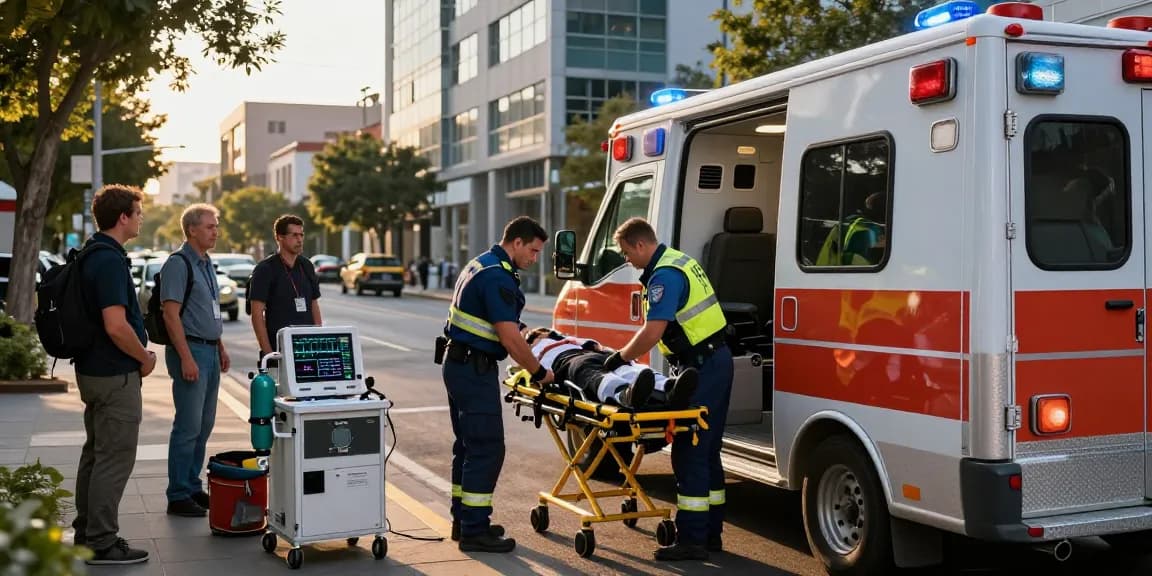
Équipement paramedic refers to the specialized tools and devices used by paramedics and emergency medical technicians (EMTs) to provide immediate care in emergency situations. This category encompasses a wide range of items, including:
- Defibrillators
- Monitors for vital signs
- Ambulance stretchers and transport devices
- Medication administration devices
- Personal protective equipment (PPE)
Each piece of equipment plays a vital role in ensuring that paramedics can deliver effective and timely care to patients in critical conditions. The importance of this equipment reinforces the need for continued investment in high-quality tools that comply with industry standards.
Key Components of Emergency Medical Equipment
When evaluating éqipement paramedic, several key components can heavily influence costs:
- Durability: Equipment designed to withstand rigorous usage typically incurs higher upfront costs but offers long-term savings through reduced need for replacements.
- Technology: Incorporation of advanced technologies such as telemetry systems and digital monitoring can significantly raise the price but enhance patient outcomes and operational efficiency.
- Compliance: Equipment must meet specific regulatory and safety standards, and those that do often come at a premium.
Comparative Pricing: Domestic vs. International
The cost of emergency medical equipment varies significantly not only by the type of equipment but also by geographical region. In some cases, domestic manufacturers may provide equipment that is less expensive due to lower shipping costs and faster delivery times, while international suppliers can offer advanced technology at competitive prices. Additionally, regional regulations regarding safety and quality can also affect prices. It is essential for EMS organizations to conduct thorough market research, comparing domestic and international options effectively to find the best value for their budgets.
Factors Influencing Pricing in 2026
Supply Chain Dynamics and Global Trends
As we move deeper into 2026, the dynamics of global supply chains continue to play a critical role in determining the costs associated with equipment. Disruptions due to geopolitical tensions, global pandemics, and natural disasters have made manufacturers more cautious in their production and distribution processes. As a result, fluctuations in material costs can directly impact pricing for éqipement paramedic. Organizations must be aware of these trends to anticipate potential increases in costs.
Technology Advancements and Their Impact on Prices
Technological advancements are continually reshaping the landscape of emergency medical equipment. Innovations such as AI-powered diagnostic tools and portable imaging devices have transformed how paramedics operate. While these advancements can lead to improved patient outcomes, they typically come with higher price tags. EMS organizations need to balance the benefits of cutting-edge technology with fiscal responsibility, often requiring strategic planning to integrate new tools without exceeding budget constraints.
Regulatory Changes Affecting Cost Structures
Regulatory changes at both national and international levels can significantly affect the cost of equipment. Stringent safety and efficacy testing protocols may increase production costs, which are then passed on to end users. Keeping abreast of legislative trends that govern paramedic equipment can help organizations prepare for potential price adjustments and ensure compliance, thus avoiding fines or additional expenses in the future.
Common Pain Points in Purchasing Équipement Paramedic
Budget Constraints for Emergency Services
One of the most pressing issues facing many EMS organizations is budget constraints. Limited funds can severely restrict the ability to purchase crucial equipment, which in turn affects overall service quality. Paramedic services must develop strategies to prioritize their needs and seek alternative funding sources to address these constraints effectively.
Understanding Warranty and Service Agreements
When investing in paramedic equipment, understanding warranty and service agreements is critical. Many organizations overlook these agreements, potentially leading to costly repairs or replacements. It's essential to carefully read the terms and conditions, ensuring that the coverage provided meets the operational needs and offers protection against common equipment failures.
Challenges in Sourcing Specialized Equipment
Specialized equipment often requires procurement from niche suppliers, which can lead to challenges related to availability and pricing. Many EMS services struggle with long lead times or unexpected price increases. Building relationships with reliable vendors and exploring cooperative purchasing agreements can alleviate some of these challenges while ensuring access to essential equipment.
Best Practices for Cost Management
Leveraging Bulk Purchasing Agreements
Bulk purchasing agreements can provide significant cost savings for emergency medical services. By collaborating with other agencies to purchase equipment in larger quantities, individual organizations can negotiate better pricing and terms with manufacturers. This practice can lead to improved financial health for EMS organizations operating on tight budgets.
Utilizing Grants and Funding Opportunities
Many local government and non-profit organizations offer grants and funding opportunities specifically for emergency services. By actively seeking these funding sources, EMS organizations can alleviate financial pressures and expand their capacity to invest in high-quality equipment while remaining compliant with relevant regulations.
Prioritizing Essential Equipment for Budget Efficiency
In a world of limited resources, prioritizing essential equipment is crucial. EMS organizations should conduct regular needs assessments to identify the most critical pieces of equipment necessary for high-quality service delivery. This approach allows for strategic spending and ensures that resources are allocated where they can have the most significant impact.
Future Trends in Emergency Medical Equipment
Emerging Technologies Shaping the Équipement Paramedic Landscape
Looking ahead, several emerging technologies are poised to shape the future of éqipement paramedic. Innovations such as telemedicine capabilities are enabling paramedics to consult with specialists on-site, enhancing diagnostic accuracy. Drones and automation are also making their way into emergency medical services, paving the way for increased efficiency and faster response times.
Predicted Pricing Trends for the Next Decade
As technology continues to advance and regulations evolve, pricing trends for emergency medical equipment may shift over the next decade. While some equipment may become less expensive due to technological advancements and increased competition, others may see price increases as regulatory compliance becomes more stringent. EMS organizations must remain adaptable to these changes to manage their budgets effectively.
Transformative Solutions for Enhanced Patient Care
Ultimately, the goal of investment in high-quality éqipement paramedic is to enhance patient care. As the healthcare landscape continues to evolve, the solutions that emerge from technological innovations will enable paramedics to provide more effective treatments in emergency scenarios. By adopting these transformative tools and strategies, emergency services can deliver superior care to their communities.
What are the most critical pieces of équipement paramedic?
The most critical pieces of éqipement paramedic often include essential items such as automated external defibrillators (AEDs), portable oxygen tanks, and advanced monitoring systems. These items are integral to life-saving interventions during emergencies.
How do I choose the right equipment for my service?
Choosing the right equipment for your service involves assessing your organization’s specific needs based on factors such as patient demographics, response times, and available budget. Additionally, consulting with frontline paramedics about their experiences can provide valuable insights into what might work best.
Are there financing options available for emergency medical equipment?
Yes, multiple financing options are available, including equipment leasing, loans from specialized lenders, and grants from government or private organizations. Exploring these options can help ease the financial burden of acquiring necessary equipment.
What is the average lifespan of critical paramedic equipment?
The average lifespan of critical paramedic equipment can vary widely. For example, defibrillators typically last around five years, while other equipment like stretchers may last a decade or more with proper maintenance. Regular assessments can help determine when equipment needs replacement or servicing.
How will future technological advancements impact equipment costs?
Future technological advancements are likely to create a divergence in equipment costs, with certain high-tech items potentially becoming less expensive as they become more commonplace, while specialized, cutting-edge tools may command a premium price. Staying informed about emerging technologies will be essential for proactive budget management.