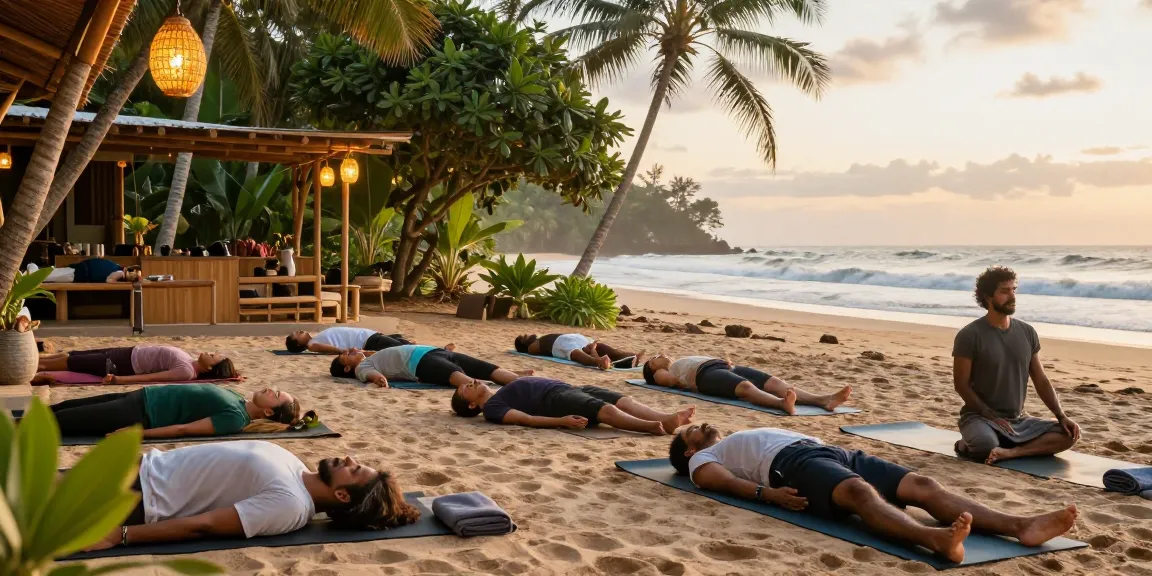
Understanding Yoga Teacher Training in Sri Lanka
Embarking on a journey in yoga teacher training can be one of the most transformative experiences of your life, particularly when it’s set against the beautiful backdrop of Sri Lanka. This tropical paradise offers not only stunning landscapes but also a unique blend of culture, tranquility, and educational opportunities that make it an attractive destination for aspiring yoga instructors. With its rich yogic traditions and modern approaches to wellness, Sri Lanka provides a fertile ground for both personal growth and professional development. When exploring options, yoga teacher training sri lanka offers comprehensive insights into a program that integrates hands-on learning with theory and practice.
What is Yoga Teacher Training?
Yoga teacher training (YTT) is a structured program designed to deepen your understanding of yoga and prepare you for teaching others. Typically structured around a 200-hour curriculum, these programs cover various aspects of yoga, including asanas (postures), anatomy, philosophy, and teaching methodologies. Participants often engage in both theoretical lessons and practical sessions where they can apply what they learn.
Benefits of Completing Your Training in Sri Lanka
Studying yoga in Sri Lanka presents numerous advantages:
- Immersive Environment: The serene landscapes and peaceful settings encourage deeper self-reflection and practice.
- Cultural Richness: Students gain exposure to Sri Lankan customs and traditions, enriching their training experience.
- Community Connections: You’ll meet like-minded individuals and form lasting relationships that can help your career.
Overview of Course Structures and Styles
Courses typically combine various yoga styles, with a focus on Vinyasa, Hatha, and Yoga Synergy—known for its grounding in modern movement science. The holistic approach not only enhances physical endurance but also fosters mental clarity and emotional resilience.
Daily Schedule and Training Curriculum
Typical Daily Schedule: What to Expect
Your day at a yoga teacher training program usually starts early, harnessing the tranquility of the morning to set a positive tone:
- 07:00 AM: Meditation and Pranayama
- 07:30 AM: Morning Asana Practice
- 09:00 AM: Breakfast
- 10:00 AM: Lecture or Workshop
- 11:30 AM: Asana Lab
- 01:00 PM: Lunch and Free Time
- 03:00 PM: Lecture
- 04:30 PM: Practice Teaching
- 06:30 PM: Dinner and Free Time
Course Components: Workshops, Lectures, and Practice
The curriculum is a blend of workshops, lectures, and practical teaching sessions that cover a variety of essential topics, including:
- Teaching Skills and Class Planning: Learn how to structure and lead a class effectively.
- Yoga Philosophy: Explore the rich history and philosophy that underpin yoga.
- Yoga Anatomy: Gain a comprehensive understanding of the human body in relation to yoga.
Focus Areas: Anatomy, Philosophy, and Teaching Techniques
Courses not only focus on physical postures but also delve into breathwork, meditation, and the psychological aspects of teaching. This well-rounded approach creates well-prepared instructors who can teach with confidence and clarity.
Accommodation and Amenities During Your Training
Types of Accommodation Available
Accommodations are designed to enhance your comfort and relaxation during the training:
- Shared Rooms: Ideal for those looking to connect with fellow trainees, housing 3-4 guests.
- Twin Share: Perfect for those who prefer a roommate without compromising on privacy.
- Private Rooms: For those seeking solitude, offering a peaceful retreat after rigorous training sessions.
Meal Plans and Dining Options
Expect delicious, healthy meals throughout your stay. All food served is vegan, made from locally sourced ingredients, and includes:
- Three chef-prepared vegan meals daily.
- Unlimited fruit, herbal tea, and filtered water.
- Options for gluten-free and other specific dietary needs.
Facilities: Yoga Shalas and Leisure Areas
The training venue features spacious yoga shalas overlooking the serene Koggala Lake, providing an inspiring setting for practice. The facilities are purpose-built, promoting a conducive learning atmosphere amidst the natural beauty of Sri Lanka.
What You’ll Gain from Your Training
Skills You’ll Acquire as a Yoga Teacher
Upon completion of the training, graduates will walk away with:
- A Yoga Alliance 200-hour RYT certificate.
- Teaching skills rooted in practical experience.
- A deep understanding of anatomy, philosophy, and the overall practice of yoga.
Networking and Job Opportunities After Graduation
Graduates have access to a private support network, enhancing job opportunities and offering mentoring and support for those stepping into their teaching careers.
Personal Growth and Deepening Your Practice
Even if you do not intend to teach, the knowledge and experience gained during training often lead to personal growth and a more profound understanding of yoga, enhancing your personal practice.
Frequently Asked Questions
What is the cost of yoga teacher training in Sri Lanka?
Pricing often ranges based on accommodation choices, with options available from €3200 to €4000 for a three-week program, which includes all meals, accommodations, and training materials.
How does the Yoga Alliance certification work?
Graduates receive a Yoga Alliance RYT-200 certification upon successful completion of the course, enabling them to teach worldwide.
Is Sri Lanka safe for solo travelers during training?
Yes, Sri Lanka is generally regarded as one of the safest countries in Asia for solo travelers, making it an ideal destination for both men and women embarking on their yoga journey.
What are the visa requirements for attending?
Visitors from many countries can take advantage of visa-free entry to Sri Lanka or apply for a straightforward Electronic Travel Authorisation (ETA) online prior to departure.
Can I attend yoga training without the intention to teach?
Absolutely! Many students join the program for personal enrichment and to deepen their understanding of yoga, even if they do not plan to teach professionally.