Understanding GRP Products: A Comprehensive Overview
Glass Reinforced Plastic (GRP) products have become a cornerstone material in various industries due to their unique properties and advantages. As one of the UK’s leading GRP Manufacturer, Engineered Composites has been at the forefront of this sector, offering a diverse portfolio of GRP solutions. From gratings to handrails, the applications of GRP are extensive and cater to an array of sectors such as construction, automotive, marine, and utilities. This article delves into the types, applications, advantages, and quality assurance practices surrounding GRP products, providing critical insights for professionals in the field.
What are GRP Products?
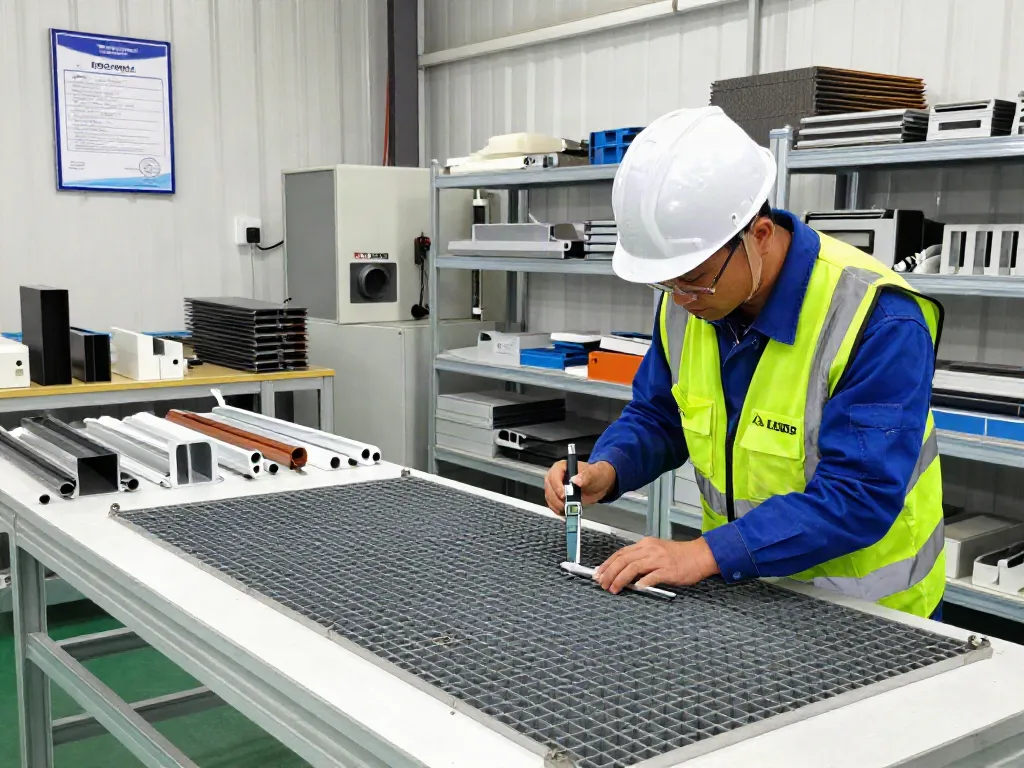
GRP, or Glass Reinforced Plastic, is a composite material composed of a polymer matrix reinforced with glass fibers. This combination yields a lightweight yet incredibly strong material, ideal for a variety of structural and aesthetic applications. GRP products are known for their corrosion resistance, low weight, and structural integrity, making them suitable for both indoor and outdoor environments.
Types of GRP Products Available
Engineered Composites offers an extensive range of GRP products, including:
- GRP Grating
- GRP Flooring
- GRP Handrails
- GRP Profiles
- GRP Decking
- GRP Fencing
- GRP Walkways
- GRP Scaffold Tubes
- GRP/FRP Rebar
These products are tailored for different applications, ensuring they meet the specific needs of various industries.
Applications of GRP in Various Industries
The versatility of GRP makes it a preferred choice across multiple sectors. For instance:
- Construction: GRP panels are used in building facades, roofing, and structural components.
- Marine: GRP is ideal for boat hulls and docks due to its resistance to saltwater corrosion.
- Utilities: GRP fencing and walkways provide durable solutions for facilities managing water and waste.
- Transport Infrastructure: GRP is utilized in bridges and access platforms because of its lightweight properties.
The Advantages of Choosing GRP Over Traditional Materials
Choosing GRP products over traditional materials like wood, steel, or concrete offers several benefits that can significantly impact project outcomes.
Weight and Strength Benefits of GRP
One of the most compelling advantages of GRP is its favorable strength-to-weight ratio. GRP is up to 70% lighter than steel, which translates to easier handling, lower transportation costs, and reduced structural support requirements during installation. This lightweight nature does not compromise strength; GRP can offer comparable load-bearing capabilities to that of steel.
Corrosion Resistance and Durability of GRP
GRP is inherently resistant to a wide range of environmental conditions. Unlike steel, which is prone to rust and aluminum that can corrode, GRP maintains its properties under exposure to moisture, chemicals, and UV light. This durability extends the lifecycle of the material, giving it a service life that often exceeds 50 years with minimal maintenance.
Cost-Effectiveness Over Time
While GRP products may have a higher upfront cost compared to some traditional materials, their long-term savings are undeniable. With reduced maintenance requirements and a longer lifespan, GRP can lead to lower life cycle costs, making it a more economical choice over time.
Compliance and Quality Assurance in GRP Manufacturing
Ensuring compliance with industry standards is crucial for maintaining quality and safety in GRP manufacturing. Engineered Composites places great emphasis on this aspect.
Meeting UK Standards and Regulations
All GRP products manufactured by Engineered Composites meet stringent UK regulations, including those outlined in BS EN 13706 for performance and BS 476 Part 7 for fire safety. These standards are essential in ensuring that the products are safe and effective for their intended uses.
Quality Control Measures in GRP Production
Quality control is rigorously applied throughout the production process. Each batch of GRP undergoes extensive testing for fire resistance, tensile strength, and dimensional accuracy to assure compliance with both national and international standards.
ISO Certification and Its Importance
Engineered Composites operates under an ISO 9001-certified quality management system, underscoring its commitment to producing high-quality products consistently. This certification not only enhances customer trust but also promotes continuous improvement within the manufacturing process.
GRP Product Applications in Construction and Infrastructure
The construction industry has increasingly adopted GRP products due to their robustness and adaptability.
Structural Applications of GRP Products
GRP profiles can be used as structural components in various building applications, providing strength without the added weight of traditional materials. This includes use in access platforms, walkways, and as structural beams in more extensive frameworks.
Outdoor Use and Weather Resistance of GRP
GRP products are designed to withstand harsh outdoor environments. With high UV resistance and water in absorption rates, they remain reliable and aesthetically pleasing for years, making them particularly ideal for marine and infrastructural applications.
Custom GRP Solutions for Unique Project Needs
Engineered Composites specializes in bespoke manufacturing, allowing clients to request custom-cut products tailored specifically to their project needs. This flexibility ensures that each installation is precise and meets the specific safety and functional requirements.
Future Trends in GRP Manufacturing and Sustainability
The future of GRP manufacturing is poised for growth as sustainability becomes a central focus across industries. Here are some emerging trends.
Innovations in GRP Technology
Continuous advancements in materials science are leading to the development of more enhanced GRP formulations that further improve performance characteristics such as weight reduction, increased tensile strength, and improved fire resistance.
Environmental Impact and Sustainability Efforts
As sustainability becomes essential, the GRP manufacturing process is also evolving. GRP production consumes considerably less energy compared to traditional materials. Companies like Engineered Composites are integrating sustainable practices, including the use of recyclable materials in their production processes.
Future Predictions for the GRP Industry in 2026
By 2026, the demand for GRP products is expected to rise significantly as infrastructure developments accelerate. Increased awareness about environmental impacts will lead to further innovation in GRP solutions, positioning the material as a go-to option for architects and engineers alike.
What makes GRP suitable for harsh environments?
The combination of GRP’s non-corrosive properties and its high strength-to-weight ratio makes it an ideal choice for harsh environments where other materials might fail. Its resilience to chemicals, UV light, and extreme weather ensures longevity, making it perfect for installations in marine, industrial, and environmentally challenging locations.
How long do GRP products typically last?
GRP products are designed to last well over 50 years, even under adverse conditions. With minimal maintenance needs, they provide a reliable and durable solution for many applications, from civil engineering to marine installations.
Can GRP materials be easily modified on-site?
Yes, one of the practical advantages of GRP is its ease of modification. Utilizing standard diamond-tipped tools, GRP can be cut or drilled on-site, allowing for quick adjustments and reducing the need for specialized equipment.
What are the main benefits of GRP for construction projects?
GRP offers several advantages for construction projects, including:
- Enhanced safety due to its non-conductive and corrosion-resistant properties.
- Cost savings through reduced labor and maintenance requirements.
- Flexibility and customization options for specific project needs.
- Longevity, providing reliable performance over many years.
How do I request a GRP quotation from Engineered Composites?
Requesting a quotation from Engineered Composites is straightforward. Interested parties can contact their technical sales team directly by calling their office or filling out the online enquiry form available on their website. They provide fast, no-obligation quotes tailored to specific needs.